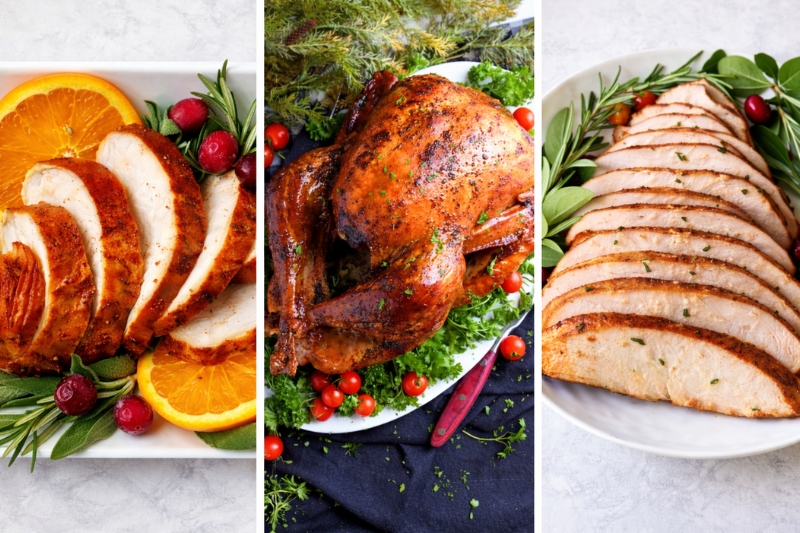

Nothing defines Thanksgiving or Christmas quite like a perfectly smoked turkey. Yet for many home cooks, the reality is disappointing: dry breast meat, undercooked thighs, or a bird that looks beautiful but tastes bland.
If you have ever struggled with holiday turkey disasters, you are not alone. The good news is that you do not need professional pitmaster skills to smoke a turkey that turns out juicy, tender, smoky, and memorable.
This complete smoked turkey recipe guide walks you through every stage of the process, from thawing and brining to smoking, resting, and carving. Whether this is your first time smoking a large bird or you want to refine your technique, these proven steps will help you serve a turkey that earns compliments from the entire table.
Why Smoke a Turkey Instead of Roasting?
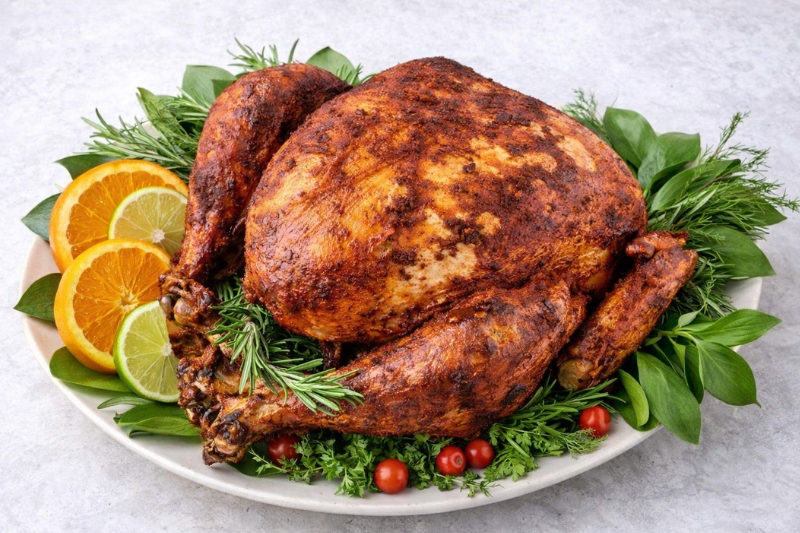
Roasting is the traditional method for holiday turkey, but smoking delivers results that are difficult to achieve in a conventional oven.
Oven roasting relies on dry heat, which often causes the exterior to cook faster than the interior. This imbalance is why roasted turkeys frequently have dry breast meat or unevenly cooked thighs.
Smoking uses slow, indirect heat combined with flavorful wood smoke. This gentle process allows the turkey to cook evenly while absorbing complex smoky flavors.
Benefits of Smoking a Turkey
- Deeper flavor
Wood smoke penetrates the meat, adding layers of flavor that an oven cannot replicate. Applewood and cherry provide mild sweetness, while hickory and pecan add richness. - Better moisture retention
Low and steady heat helps the turkey retain its natural juices. Brining and butter basting further improve tenderness. - Beautiful presentation
Smoked turkey develops golden brown skin with a subtle smoke ring, making it an impressive holiday centerpiece. - Seasoning flexibility
Smoking pairs well with dry rubs, herb butters, citrus, and aromatics without overpowering the meat. - Hands off cooking
Once the smoker is stabilized and thermometers are in place, the turkey cooks steadily with minimal supervision.
Ingredients for Smoked Turkey
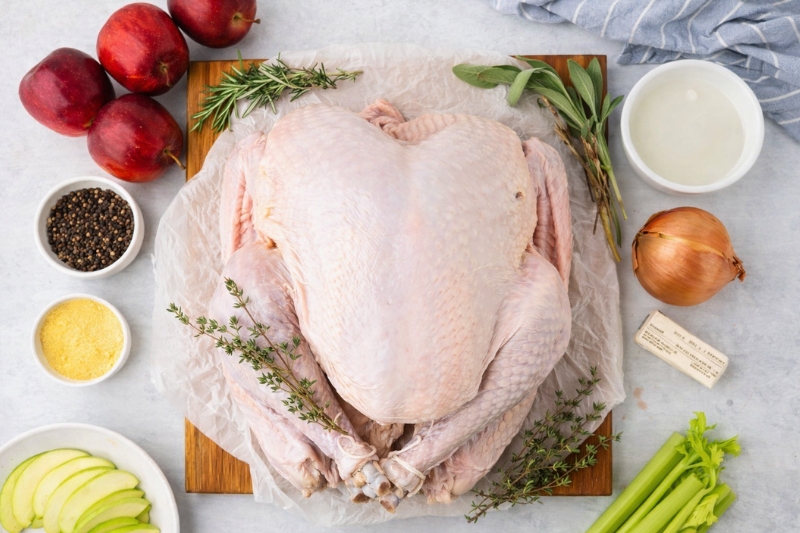
| Ingredient | Amount (for ~20 lb turkey) | Purpose |
|---|---|---|
| Whole turkey | 16–20 pounds | Fully thawed before preparation |
| Olive oil or melted butter | ¼–½ cup | Helps seasoning adhere and promotes browning |
| Poultry or steak rub | Generous coating | Adds flavor and color |
| Garlic cloves | 3–4, smashed | Aromatic moisture inside cavity |
| White onion | ½–1 onion, chopped | Steams and flavors the meat |
| Unsalted butter | 1 stick | Basting and cavity moisture |
| Compound butter (optional) | ½ cup | Adds richness when injected or rubbed under skin |
| Water and butter mixture | About 1½ cups | Creates steam inside the cavity |
| Fresh herbs (optional) | Rosemary, thyme, sage | Classic holiday flavor |
| Salt and black pepper | To taste | Adjust if turkey is pre brined |
| Wood chips or pellets | Apple, cherry, hickory, pecan | Provides smoke flavor |
How to Smoke a 20-Pound Turkey Step by Step
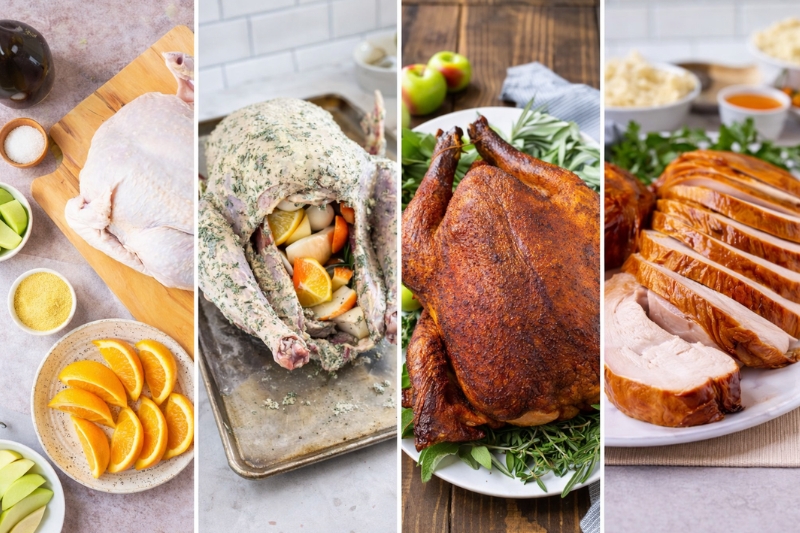
Smoking a large turkey may seem intimidating, but with proper preparation and temperature control, the process is straightforward and reliable.
Step 1: Thaw the Turkey Safely
Never attempt to smoke a partially frozen turkey. Uneven thawing leads to uneven cooking and food safety risks.
Refrigerator thawing guideline:
Allow 24 hours of thawing time for every 4 to 5 pounds of turkey.
| Turkey Weight | Thaw Time |
|---|---|
| 12 pounds | 3 days |
| 16 pounds | 4 days |
| 20 pounds | 5 days |
Cold water thawing:
Submerge the wrapped turkey in cold water, changing the water every 30 minutes. This method takes about 30 minutes per pound and requires constant attention.
Food safety reminder: Never thaw turkey on the counter.
Step 2: Brine for Maximum Juiciness
Brining improves both moisture retention and flavor. The salt alters the protein structure of the meat, allowing it to hold more liquid during cooking.
Basic wet brine for a 12–20 pound turkey:
- 1 gallon water
- 1 cup kosher salt
- ½ cup sugar
- Optional aromatics such as bay leaves, garlic, peppercorns, rosemary
Brine the turkey in the refrigerator for 12 to 24 hours.
If your turkey is labeled as pre brined or injected with a sodium solution, reduce the salt in your brine by half or use a dry brine instead.
Dry brine option:
Rub salt and seasoning directly onto the turkey and refrigerate uncovered for 24 hours. This method also helps dry the skin for better texture.
Step 3: Prepare the Turkey for Smoking
- Remove giblets from both cavities
- Pat the turkey completely dry
- Coat the skin with olive oil or melted butter
- Apply seasoning generously
- Stuff the cavity with onion, garlic, herbs, and butter
Tuck the wings under the breast and loosely tie the drumsticks to promote even cooking.
Step 4: Set Up the Smoker
Stable temperature is more important than smoker type. Pellet grills, offset smokers, and gas grills with wood chips all work well.
- Target cooking temperature: 225–300°F
- Mild smoke: apple or cherry wood
- Stronger smoke: hickory or pecan
- Place a drip pan with water under the turkey to regulate heat and collect drippings
Avoid opening the lid frequently, as heat loss increases cook time.
Step 5: Smoke the Turkey
Insert a probe thermometer into the thickest part of the thigh and another into the breast.
- Breast target temperature: 160–165°F
- Thigh target temperature: 165–170°F
At 300°F, a 20 pound turkey typically takes 4 to 4.5 hours, but always cook to temperature rather than time.
Baste halfway through with melted butter and aromatics if desired.
For crispier skin, increase the smoker temperature to 400–425°F for the final 10 minutes, then reduce again briefly before removing.
Step 6: Manage Uneven Cooking
Turkey breasts cook faster than thighs, especially on large birds.
Solutions include:
- Using a water pan to moderate heat
- Rotating the turkey halfway through cooking
- Tenting the breast loosely with foil if it reaches temperature early
Always verify temperature in multiple locations to ensure accuracy.
Step 7: Rest the Turkey Before Carving
Resting allows juices to redistribute throughout the meat.
- Minimum rest time: 15–20 minutes
- Ideal rest time for large birds: 30 minutes
Tent loosely with foil. Do not wrap tightly or the skin will soften.
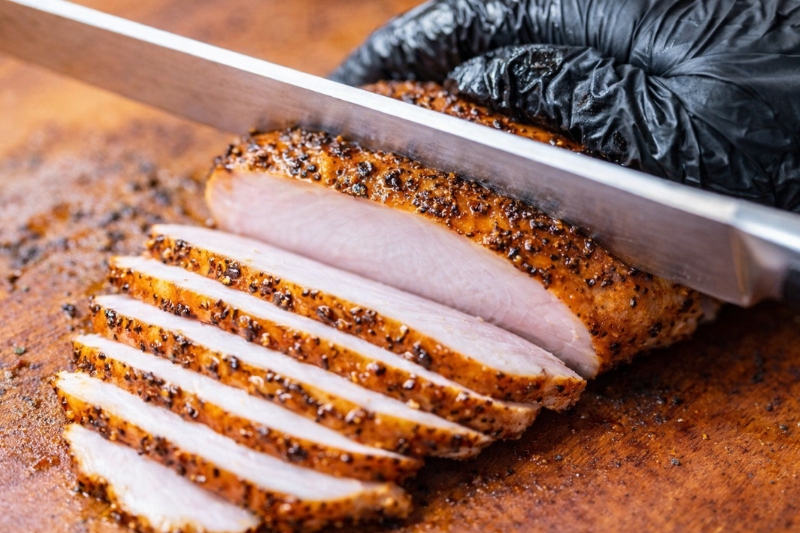
Step 8: Carve the Turkey Properly
- Remove drumsticks at the joint
- Separate wings
- Slice breasts off whole, then cut cross grain
- Serve thighs if desired
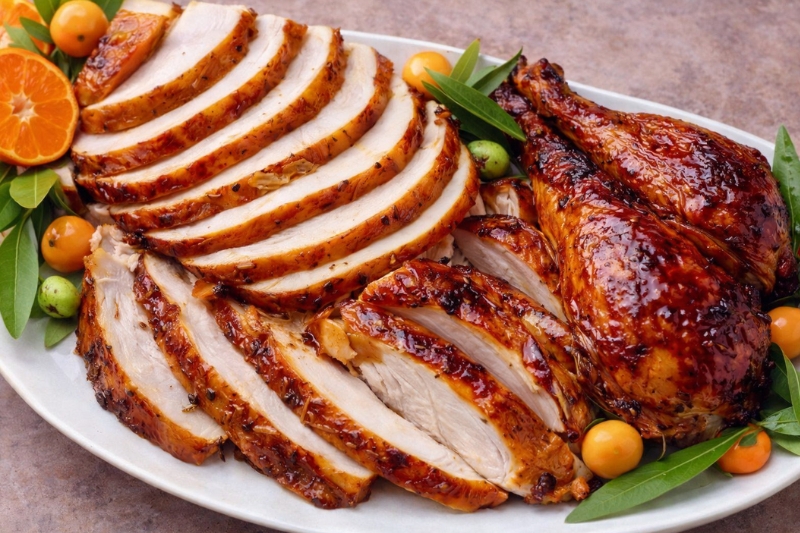
Arrange on a platter with herbs or citrus slices for presentation.
Expert Tips for Smoked Turkey
- Always thaw completely to ensure even cooking
- Maintain steady smoker temperatures throughout the cook
- Use a reliable digital thermometer, not pop up timers
- Brine whenever possible for consistent juiciness
Flavor Variations to Try
| Variation | Method | Flavor Profile |
|---|---|---|
| Classic Herb Butter | Butter under skin with rosemary and thyme | Savory and aromatic |
| Citrus Brine | Add orange and lemon to brine | Bright and fresh |
| Cajun Style | Cajun rub with paprika and cayenne | Bold and spicy |
| Maple Glaze | Applewood smoke with butter and cider baste | Sweet and caramelized |
| Pecan Smoked | Pecan wood with brown sugar rub | Nutty and mildly sweet |
Serving Suggestions
Classic sides:
- Mashed potatoes with smoked turkey gravy
- Herb stuffing or cornbread dressing
- Cranberry sauce
Vegetable options:
- Roasted Brussels sprouts
- Green bean almondine
- Honey roasted carrots
Leftover ideas:
- Smoked turkey sandwiches
- Turkey soup or chili
- Turkey pot pie
Final Thoughts
Smoking a turkey may feel intimidating at first, but with proper preparation, steady heat, and patience, it becomes one of the most rewarding ways to cook a holiday bird.
This smoked turkey recipe is not just about food. It is about the aroma filling your backyard, the satisfaction of slicing into juicy meat, and creating memories around the table.
Fire up your smoker, trust your thermometer, and get ready to serve the best turkey you have ever made.