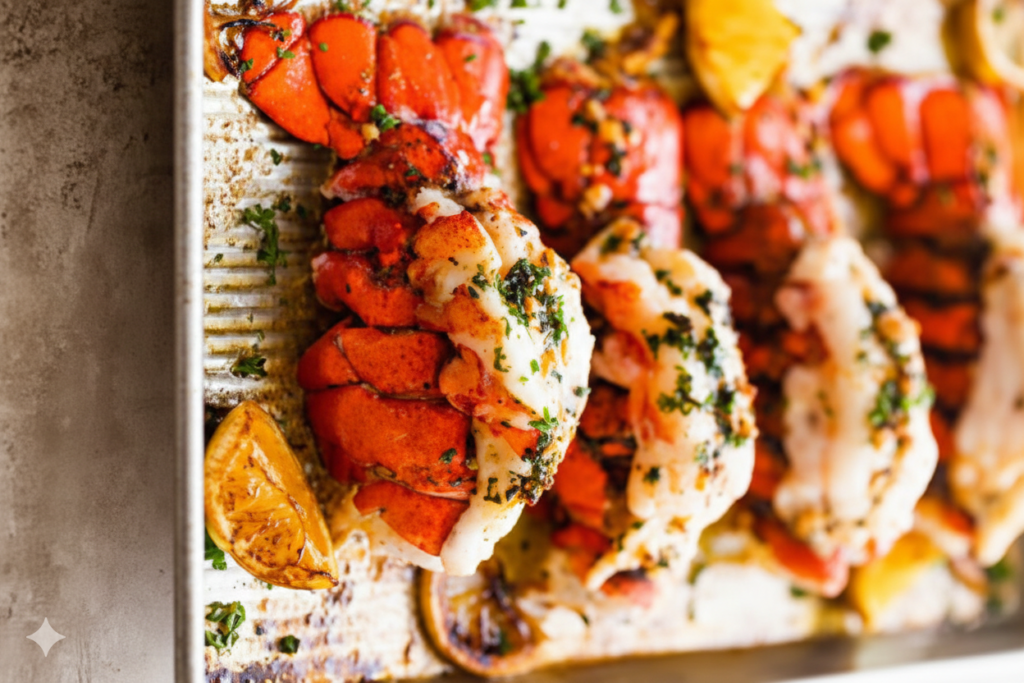


Imagine hosting a special evening without spending hours in the kitchen. Creating a gourmet experience at home is much easier than many people think. You can truly elevate dinner by choosing fresh ingredients that shine with very little effort.
Many home cooks feel nervous when handling high-end seafood. However, this lobster tail recipe simplifies the whole process for every skill level. Whether you prefer to grill or steam the succulent meat, the results are always impressive.
We will explore several ways to prepare this crustacean to perfection. From rich buttery finishes to bright herb seasonings, these methods ensure your meal feels truly luxurious. Let us jump into the world of simple yet elegant home cooking.
Key Takeaways
- Master simple techniques for professional results.
- Choose between baking, grilling, or steaming methods.
- Focus on high-quality ingredients for the best flavor.
- Impress your guests with very little kitchen time.
- Enhance the seafood with classic melted herb butters.
- Learn how to butterfly the shell for a beautiful look.
1. Why Lobster Tails Are Perfect for Home Cooking
The idea of cooking lobster tails might seem intimidating, but it’s actually quite straightforward and rewarding. With a few simple steps and the right ingredients, you can create a luxurious dinner that impresses family and friends.
Lobster tails are perfect for home cooking because they are relatively easy to prepare and offer a sophisticated dining experience. Whether you’re looking to impress on a special occasion or simply elevate a weeknight dinner, lobster tails are an excellent choice.
One of the main advantages of cooking lobster tails at home is the versatility in cooking methods. You can bake, grill, or broil them, allowing you to experiment with different flavors and techniques to find your favorite.
| Cooking Method | Cook Time | Flavor Profile |
|---|---|---|
| Baking | 12-15 minutes | Rich, buttery |
| Grilling | 8-10 minutes | Smoky, charred |
| Broiling | 6-8 minutes | Caramelized, tender |
Cooking lobster tails at home is not only easy but also allows you to control the quality of ingredients and the presentation, making it a great way to enjoy a luxurious meal without the restaurant price tag.
With these benefits in mind, it’s clear that lobster tails are an excellent choice for home cooking. Whether you’re a seasoned chef or a beginner in the kitchen, you’ll find that cooking lobster tails is a rewarding experience that yields delicious results.
2. Selecting the Best Lobster Tails for Your Recipe
The quality of your lobster tail dish heavily relies on the quality of the lobster tails you choose. With so many options available at your local market or grocery store, making an informed decision is crucial for achieving the best lobster tail recipe.
2.1. Fresh vs. Frozen Lobster Tails
When it comes to lobster tails, the debate between fresh and frozen often arises. While fresh lobster tails are considered superior by many, frozen tails can be just as delicious if handled properly. Frozen lobster tails are typically frozen immediately after harvesting, preserving their flavor and texture. On the other hand, fresh lobster tails offer a slightly sweeter taste and firmer texture, but they can be more expensive and harder to find.
2.2. Cold Water vs. Warm Water Lobster Tails
Lobster tails are generally categorized into two types based on their origin: cold water and warm water. Cold water lobsters, such as those from Maine, are known for their firm meat and are often considered more flavorful. Warm water lobsters, typically from the Caribbean or Florida, have a softer texture and slightly different flavor profile. The choice between cold and warm water lobster tails depends on personal preference and the specific recipe you’re using.
2.3. Sizing Guide: How Much to Buy Per Person
Determining the right size of lobster tails to buy per person can be tricky. A general rule of thumb is to plan for 6-8 ounces per person for a main course. Here’s a simple guide to help you decide:
| Number of People | Total Weight Needed | Number of Tails |
|---|---|---|
| 2 | 12-16 oz | 2-3 tails (6-8 oz each) |
| 4 | 24-32 oz | 4-5 tails (6-8 oz each) |
| 6 | 36-48 oz | 6-8 tails (6-8 oz each) |
By following these lobster tail cooking tips and guidelines, you’ll be well on your way to creating an impressive and delicious dish that’s sure to please any crowd.
3. Essential Tools and Ingredients You’ll Need

Before diving into the delicious world of lobster tail recipes, it’s crucial to gather the right tools and ingredients. Having everything you need at your fingertips will make the cooking process smoother and more enjoyable.
3.1. Kitchen Equipment for Preparing Lobster Tails
To prepare a delicious lobster tail recipe, you’ll need some basic kitchen equipment. Here’s a list of what you’ll need:
- A sharp kitchen knife or seafood shears for cutting the lobster tail
- A cutting board for preparing the lobster
- A baking sheet or broiler pan for cooking
- Tongs or a spatula for handling the lobster tails
- A meat thermometer to ensure perfect doneness
3.2. Core Ingredients and Seasonings
For an easy lobster tail recipe, you’ll need some core ingredients and seasonings. These include:
- Fresh or frozen lobster tails
- Unsalted butter, melted
- Garlic, minced
- Lemon juice or wedges
- Seasonings such as salt, pepper, and paprika
- Optional: white wine, herbs like parsley or thyme
Having these ingredients on hand will allow you to create a variety of delicious lobster tail recipes. Feel free to experiment with different seasonings and ingredients to find your favorite flavor combinations.
4. How to Prepare Lobster Tails Before Cooking
The key to a delicious lobster tail dish lies in its preparation before cooking. Proper preparation ensures that your lobster tails are not only flavorful but also safe to eat.
4.1. Properly Thawing Frozen Lobster Tails
If you’re working with frozen lobster tails, the first step is to thaw them properly. There are two recommended methods for thawing: refrigerator thawing and cold water thawing.
4.1.1. Refrigerator Thawing Method
Place the frozen lobster tails in a covered container or zip-top bag and let them thaw in the refrigerator overnight. This method is safe and helps prevent bacterial growth.
4.1.2. Cold Water Thawing Method
For a quicker thaw, submerge the lobster tails in a leak-proof bag in cold water. Change the water every 30 minutes to keep it cold. This method thaws lobster tails in about 30 minutes per pound.
4.2. Cleaning and Rinsing Your Lobster Tails
Once thawed, rinse the lobster tails under cold running water to remove any impurities. Pat them dry with paper towels to remove excess moisture.
4.3. Butterflying Technique Step-by-Step
Butterflying lobster tails makes them easier to cook evenly and presents beautifully on the plate.
4.3.1. Making the Initial Cut
Using kitchen shears, cut through the top of the shell, starting from the open end and moving towards the tail. Be careful not to cut the tail fin.
4.3.2. Lifting and Positioning the Meat
Gently lift the lobster meat out of the shell, keeping it attached at the tail. Place the meat on top of the shell, and you’re ready to season or cook.
4.4. Alternative Cutting Methods
Some recipes may call for cutting the lobster tail into smaller pieces or leaving it intact. Depending on your recipe, you can adjust the cutting method accordingly.
By following these preparation steps, you’ll be well on your way to creating a mouth-watering lobster tail dish that’s sure to impress.
5. The Best Baked Lobster Tail Recipe

Elevate your dinner with our simple yet elegant baked lobster tail recipe. Baking lobster tails is a straightforward process that yields impressive results, making it perfect for special occasions or a luxurious treat.
5.1. Ingredients for Baked Lobster Tails
To prepare our buttery lobster tail recipe, you’ll need the following ingredients:
- 4 lobster tails (6 oz each)
- 1/2 cup unsalted butter, softened
- 2 cloves garlic, minced
- 1 tsp paprika
- 1 tsp salt
- 1/2 tsp black pepper
- 1/4 tsp cayenne pepper (optional)
- 2 tbsp fresh parsley, chopped
- 2 tbsp fresh lemon juice
5.2. Step-by-Step Baking Instructions
5.2.1. Preheating and Preparing Your Pan
Preheat your oven to 400°F (200°C). Line a baking sheet with aluminum foil or parchment paper, leaving enough overhang to easily remove the lobster tails after baking.
5.2.2. Seasoning and Buttering the Meat
Mix the softened butter, garlic, paprika, salt, black pepper, and cayenne pepper (if using) in a bowl. Brush the mixture evenly over the lobster meat.
5.2.3. Baking Process
Place the lobster tails on the prepared baking sheet and bake for 12-15 minutes or until they reach the recommended internal temperature.
5.3. Perfect Baking Temperature and Time
The key to perfectly baked lobster tails is achieving the right internal temperature. Use the following table as a guide:
| Lobster Tail Size (oz) | Baking Time (minutes) | Internal Temperature (°F) |
|---|---|---|
| 4-6 | 8-12 | 140-145 |
| 6-8 | 12-15 | 140-145 |
| 8-12 | 15-18 | 140-145 |
5.4. How to Tell When Your Lobster Tail Is Done
The lobster meat should be opaque and flake easily with a fork. Avoid overcooking, as it can make the lobster tough and rubbery.
By following these steps and guidelines, you’ll be able to create a delicious buttery lobster tail recipe that’s sure to impress your guests.
6. Grilled Lobster Tail Recipe for Outdoor Cooking
Grilling lobster tails is a simple yet impressive way to elevate your outdoor cooking. This method adds a smoky flavor that complements the natural sweetness of the lobster, making it a perfect dish for summer gatherings or special occasions.
6.1. Preparing Lobster Tails for the Grill
Before grilling, it’s essential to prepare your lobster tails properly. Start by thawing them if they’re frozen, then pat them dry with paper towels to remove excess moisture. You can either butterfly the lobster tails or cut them in half, depending on your preference and the size of the tails.
Key preparation steps include:
- Thawing frozen lobster tails
- Patting dry with paper towels
- Butterflying or cutting in half
6.2. Grilling Instructions and Timing
Grilling lobster tails requires attention to timing to achieve the perfect doneness. The grilling method you choose—direct or indirect heat—will affect the cooking time and the final result.
6.2.1. Direct Heat Grilling Method
For a nicely charred exterior, grill the lobster tails over direct heat. Preheat your grill to medium-high heat, place the lobster tails shell side down, and cook for about 5-7 minutes. Flip them over and cook for an additional 4-5 minutes, or until the meat is opaque and flakes easily.
6.2.2. Indirect Heat Grilling Method
If you prefer a more gentle cooking process, use the indirect heat method. Place the lobster tails on the cooler part of the grill, away from direct flames, and cook for about 8-10 minutes, or until they’re cooked through.
6.3. Preventing Sticking and Burning
To prevent lobster tails from sticking to the grill, make sure they’re dry and brush the grill with oil before cooking. You can also brush the lobster tails with melted butter or a marinade to add flavor and prevent sticking.
By following these tips and techniques, you’ll be able to achieve perfectly grilled lobster tails that are sure to impress your guests.
7. Broiled Lobster Tails: Quick and Easy Method

For a quick and delicious lobster tail recipe, broiling is an excellent option. This method allows for a succulent and flavorful dish with minimal preparation and cooking time.
7.1. Setting Up Your Broiler Correctly
Before you start, ensure your broiler is preheated to the correct temperature. Most broilers have a high heat setting, so it’s essential to adjust the rack positioning to achieve the perfect broil. Preheating is crucial for an even cook.
7.2. Broiling Steps and Cook Times
Broiling lobster tails involves a few simple steps. First, place the lobster tails on a broiler pan, shell side down. Then, brush them with your preferred seasonings and butter. The cooking time will depend on the size of the lobster tails.
7.2.1. Rack Positioning
Position the broiler rack about 4-6 inches from the heat source. This distance helps in achieving a nice char on the outside while cooking the lobster meat thoroughly.
7.2.2. Monitoring During Broiling
Keep a close eye on the lobster tails as they can go from perfectly cooked to overcooked quickly. The cooking time typically ranges from 4 to 8 minutes, depending on the size.
7.3. Achieving Restaurant-Quality Results at Home
To achieve restaurant-quality results, pay attention to the details. Use fresh lobster tails, and don’t overcook them. A generous brushing of garlic butter can also elevate the dish. Serve immediately, garnished with lemon wedges and parsley for a touch of elegance.
By following these steps and tips, you can enjoy a delicious and easy lobster tail recipe that’s sure to impress. Broiling is a fantastic way to prepare lobster tails, offering a quick, easy, and flavorful meal.
8. Creating the Perfect Buttery Garlic Sauce

Elevate your lobster tail dish with a rich and flavorful buttery garlic sauce. A well-crafted sauce can complement the delicate flavor of lobster, making your meal truly unforgettable.
8.1. Classic Drawn Butter Recipe
A classic drawn butter recipe is a simple yet elegant accompaniment to lobster tails. To make it, melt high-quality butter over low heat, then skim off the foam that rises to the surface. Use unsalted butter for the best flavor. Serve the clarified butter warm alongside your lobster tail.
8.2. Garlic Herb Butter Variations
For a garlic herb butter, mix softened butter with minced garlic, chopped fresh herbs like parsley or chives, and a pinch of salt. This variation adds a fragrant and savory twist to the classic drawn butter.
8.3. Lemon Butter Sauce
A lemon butter sauce introduces a bright and citrusy note to your lobster tail dish. Combine melted butter with freshly squeezed lemon juice, a minced garlic clove, and a sprinkle of parsley for a refreshing sauce.
8.4. Spicy Cajun Butter Option
For those who prefer a bit of heat, a Spicy Cajun butter is an exciting alternative. Mix softened butter with Cajun seasoning, a dash of hot sauce, and a squeeze of lemon juice. This spicy butter adds a bold flavor to your lobster tail.
| Sauce Type | Key Ingredients | Flavor Profile |
|---|---|---|
| Classic Drawn Butter | Unsalted butter | Rich, creamy |
| Garlic Herb Butter | Butter, garlic, herbs | Savory, aromatic |
| Lemon Butter Sauce | Butter, lemon juice, garlic | Bright, citrusy |
| Spicy Cajun Butter | Butter, Cajun seasoning, hot sauce | Spicy, bold |
9. Serving Suggestions and Side Dish Pairings
To complement your delicious lobster tail recipe, consider these serving and pairing ideas that will elevate your dining experience. A well-rounded meal featuring lobster tails isn’t just about the main attraction; it’s also about the supporting actors that enhance its rich flavor.
9.1. Best Side Dishes for Lobster Tails
Choosing the right side dishes can make or break your lobster tail dinner. Here are some suggestions to get you started:
9.1.1. Vegetable Sides
Steamed asparagus or roasted vegetables like Brussels sprouts or carrots can provide a nice contrast to the richness of lobster. Grilled or sautéed spinach with garlic is another excellent option that adds a burst of nutrients and flavor.
9.1.2. Starch Options
For starches, consider garlic mashed potatoes or a simple rice pilaf. These options are comforting and soak up the buttery sauces that typically accompany lobster tails.
9.2. Wine and Beverage Pairings
When it comes to wine pairings, a dry white wine such as Sauvignon Blanc or Chardonnay complements the delicate flavor of lobster without overpowering it. For those who prefer non-alcoholic beverages, a refreshing lemon-infused water or a sparkling juice can cleanse the palate between bites.
9.3. Plating and Presentation Tips
The presentation is key to making your dish visually appealing. Arrange your lobster tails on a platter with your chosen sides in a harmonious layout. Drizzle any remaining butter sauce over the lobster and garnish with fresh herbs like parsley or dill for a pop of color and freshness.
10. Common Mistakes to Avoid and Expert Tips
Mastering the art of cooking lobster tails requires knowledge of common pitfalls and expert advice. To achieve a succulent and flavorful dish, it’s essential to be aware of the mistakes that can easily turn a gourmet meal into a culinary disaster.
10.1. Overcooking Prevention Techniques
One of the most critical mistakes when cooking lobster tails is overcooking. Overcooking can make the lobster tough and rubbery. To prevent this, use a thermometer to check the internal temperature, which should reach 145°F (63°C). Another technique is to cook the lobster tail until it just turns opaque and flakes easily with a fork.
10.2. Seasoning Mistakes to Avoid
Seasoning is crucial for bringing out the flavor of lobster tails. A common mistake is underseasoning. Generously season the lobster with salt, pepper, and any other desired herbs or spices before cooking. However, be cautious not to overseason, as this can overpower the delicate flavor of the lobster.
10.3. Temperature Monitoring Tips
Monitoring the temperature is vital for cooking lobster tails correctly. Whether you’re baking, grilling, or broiling, ensure that your cooking device is at the right temperature before adding the lobster. Use a thermometer to check the temperature, and adjust the cooking time accordingly.
10.4. Storage and Reheating Leftover Lobster
If you have leftover lobster, it’s crucial to store it properly to maintain its quality. Store the lobster in an airtight container in the refrigerator at a temperature below 40°F (4°C). When reheating, do so gently to prevent overcooking. You can reheat it in the oven wrapped in foil or in a steamer.
Here’s a quick reference table for cooking lobster tails:
| Cooking Method | Temperature | Cooking Time |
|---|---|---|
| Baking | 400°F (200°C) | 8-12 minutes |
| Grilling | Medium-High Heat | 5-7 minutes per side |
| Broiling | High Heat | 4-6 minutes per side |
By following these expert tips and avoiding common mistakes, you can achieve a perfectly cooked lobster tail that will impress your guests and satisfy your palate.
Conclusion
Cooking lobster tails at home is easier than you think, and with the right techniques, you can create a truly unforgettable dining experience. Whether you’re baking, grilling, or broiling, the key to a perfect lobster tail recipe lies in the preparation and attention to detail.
By following the steps outlined in this article, you can confidently prepare lobster tails that are sure to impress. From selecting the best lobster tails to pairing them with the perfect side dishes and sauces, every element plays a crucial role in elevating your dinner.
Don’t be afraid to experiment with different recipes and methods to find your favorite way to enjoy lobster tails. With practice, you’ll become a pro at cooking this luxurious seafood, and your dinner parties will never be the same. So go ahead, give one of these lobster tail recipes a try, and elevate your dinner to new heights.