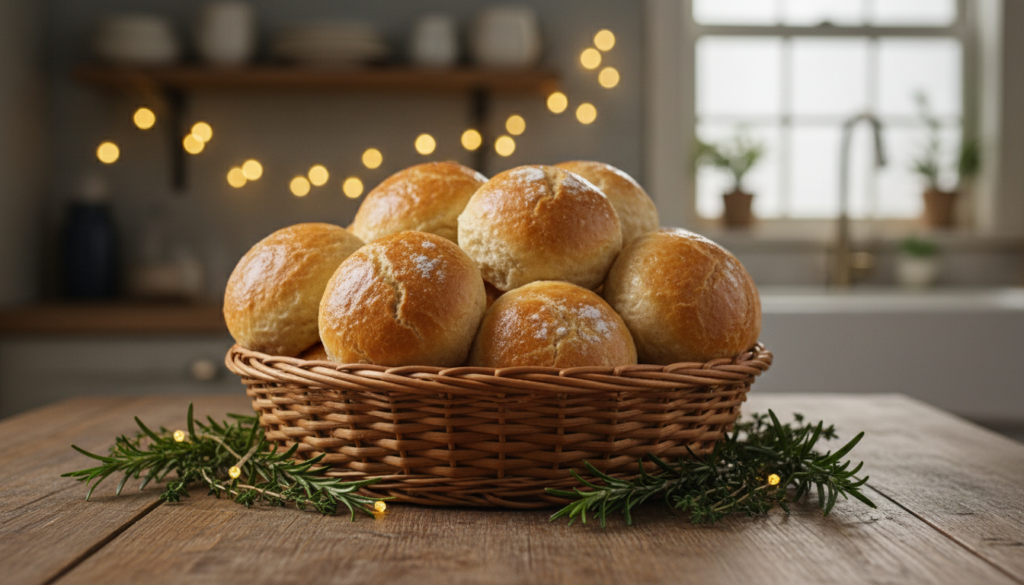

Preparing for the big holiday meal in 2026 involves finding a side dish to impress your family. There is truly nothing better than the sweet fragrance of fresh bread baking in a warm kitchen. These golden buns are light and sure to be the favorite part of your feast.

You deserve a straightforward way to create soft textures that stay fresh long after the meal concludes. We have carefully tested various techniques to ensure these holiday treats turn out perfectly for every home baker. Even if you feel nervous about yeast, this guide makes the entire process feel easy.
Get ready to impress your guests with the most amazing results imaginable. Following these steps will lead to successful baking and many happy smiles around the table this year.
Key Takeaways
- Use quality ingredients to achieve the softest texture.
- Follow straightforward steps designed for beginner bakers.
- Prepare the dough ahead of time to save energy.
- Apply a butter wash for a beautiful golden-brown finish.
- Store leftovers correctly to keep them moist and delicious.
Why This Homemade Dinner Rolls Recipe Will Be Your Thanksgiving Favorite
Discover why our homemade dinner rolls recipe is set to become your new Thanksgiving tradition. This easy dinner rolls recipe is designed to be simple, ensuring that even novice bakers can achieve professional results.
One of the main reasons this recipe stands out is its ease of preparation. With straightforward instructions and minimal ingredients, you’ll be able to whip up a batch of delicious homemade dinner rolls without breaking a sweat.
| Benefits | Description |
|---|---|
| Easy to Make | Simple ingredients and straightforward instructions make this recipe perfect for bakers of all levels. |
| Delicious Outcome | The result is soft, fluffy, and utterly delicious homemade dinner rolls that will impress your guests. |
| Customizable | Feel free to experiment with different flavors and ingredients to make the recipe your own. |
By following this homemade dinner rolls recipe, you’ll not only save time but also create a memorable dining experience for your loved ones. So why settle for store-bought when you can make a real difference with this easy dinner rolls recipe?
Essential Ingredients for Perfect Fluffy Dinner Rolls
To achieve the fluffiest dinner rolls, it’s crucial to understand the role of each essential ingredient. The quality and combination of these ingredients will determine the texture, flavor, and overall success of your yeast dinner rolls.
The Role of Yeast in Creating Light and Airy Rolls
Yeast is the magic behind the light and airy texture of dinner rolls. It ferments the sugars in the dough, producing carbon dioxide gas bubbles that get trapped, causing the dough to rise. For a buttery dinner rolls recipe, using active dry yeast or instant yeast is recommended. Ensure that your yeast is fresh and within its expiration date to guarantee optimal performance.
The fermentation process is crucial for developing the flavor and texture of the rolls. A warm, draft-free environment helps the yeast activate and ferment properly. Typically, yeast thrives in temperatures between 100°F and 110°F.
Choosing the Right Flour for Maximum Fluffiness
The type of flour used significantly impacts the fluffiness of dinner rolls. All-purpose flour is a popular choice for dinner rolls due to its balanced protein content, which supports structure without making the rolls too dense. For an even lighter texture, consider using bread flour, which has a higher protein content.
It’s also important to measure flour accurately to maintain the right dough consistency. Too much flour can lead to dense rolls, while too little can result in rolls that lack structure.
Butter, Milk, and Eggs: The Secret to Buttery Softness
The addition of butter, milk, and eggs enriches the dough, contributing to the softness and flavor of the dinner rolls. Butter adds a rich, tender crumb and a golden crust when brushed on top before baking. Milk provides moisture and a subtle sweetness, while eggs contribute to the richness and color of the rolls.
For a buttery dinner rolls recipe, using high-quality, unsalted butter is recommended. The cold butter should be cut into small pieces to ensure it distributes evenly throughout the dough.
Sugar and Salt: Balancing Flavor and Texture
Sugar and salt play critical roles in balancing the flavor and texture of dinner rolls. Sugar feeds the yeast, promoting fermentation, while salt controls yeast growth and enhances the overall flavor. A balanced amount of sugar and salt is essential to achieve the perfect taste and texture.
Too much sugar can make the rolls overly sweet, while too little may result in less flavorful rolls. Similarly, too much salt can inhibit yeast activity, leading to dense rolls.
Kitchen Tools and Equipment You’ll Need
Before you start making these delicious quick dinner rolls, it’s essential to have the right kitchen tools and equipment.
To ensure a smooth baking process, you’ll need a few key items. First, a large mixing bowl is necessary for combining your ingredients. A stand mixer can be very helpful for kneading the dough, but you can also do this by hand with a wooden spoon and some elbow grease.
A digital kitchen scale is crucial for accurately measuring your ingredients, which is vital for achieving the right texture and flavor in your dinner rolls.
| Tool/Equipment | Purpose |
|---|---|
| Large Mixing Bowl | Combining ingredients |
| Stand Mixer (optional) | Kneading dough |
| Digital Kitchen Scale | Measuring ingredients |
| Baking Sheet | Holding shaped rolls for baking |
| Oven | Baking dinner rolls |
Additionally, you’ll need a baking sheet to hold your shaped rolls as they bake. Make sure it’s greased or lined with parchment paper to prevent sticking. Of course, an oven is necessary for baking your dinner rolls to golden perfection.

Having all these tools and equipment ready will make the process of making quick dinner rolls much more enjoyable and help you achieve professional results.
Step-by-Step Dinner Rolls Recipe Instructions
Our step-by-step dinner rolls recipe instructions will help you achieve bakery-quality results at home. Making delicious classic dinner rolls or pull-apart dinner rolls requires attention to detail, but with our guide, you’ll be able to create mouth-watering dinner rolls that will be the star of your Thanksgiving table.
Step 1: Activating the Yeast Properly
Activating yeast is a crucial step in making dinner rolls. It’s essential to ensure your yeast is active to get the best rise.
Testing Water Temperature
The ideal water temperature for activating yeast is between 100°F and 110°F. If the water is too hot, it can kill the yeast, while water that’s too cold can slow down the activation process.
Signs Your Yeast Is Active
After adding yeast to the warm water, wait for 5-10 minutes. If the mixture becomes frothy and bubbly, your yeast is active. If not, it’s best to start over with fresh yeast.
Step 2: Mixing and Kneading the Dough
Once your yeast is active, it’s time to mix and knead the dough. This step is crucial for developing the gluten in the dough, which gives your dinner rolls their structure and texture.
Combining Wet and Dry Ingredients
In a large mixing bowl, combine the wet ingredients (milk, eggs, and melted butter) and dry ingredients (flour, sugar, and salt) separately before gently mixing them together.
Hand Kneading vs. Stand Mixer Method
You can knead the dough either by hand or using a stand mixer with a dough hook attachment. Kneading by hand allows for more control, while a stand mixer saves time and effort.
Step 3: First Rise for Optimal Texture
The first rise is critical for developing the texture of your dinner rolls. Ensure the dough is in a warm, draft-free place.
Creating the Perfect Rising Environment
Cover the dough with plastic wrap or a damp cloth and let it rise in a warm, draft-free area. The ideal temperature for rising is between 75°F and 80°F.
Step 4: Shaping Your Dinner Rolls
After the first rise, punch down the dough and shape it into rolls. You can create either classic round rolls or pull-apart dinner rolls.
Classic Round Roll Shape
To create classic round rolls, divide the dough into equal pieces, roll each piece into a ball, and place them on a baking sheet lined with parchment paper.
Pull-Apart Dinner Rolls Arrangement
For pull-apart dinner rolls, shape the dough into small balls and arrange them in a baking dish so they’re touching each other.
Step 5: Second Rise for Extra Fluffiness
After shaping, let the rolls rise again. This step ensures they become extra fluffy and soft.
Step 6: Baking to Golden Perfection
Bake the rolls in a preheated oven until they’re golden brown.
Oven Temperature and Timing
Bake at 375°F for 12-15 minutes or until the rolls are golden brown. Keep an eye on them to prevent over-baking.
Brushing with Butter for a Soft Crust
Immediately after baking, brush the rolls with melted butter to give them a soft, golden crust.
Pro Tips for Achieving the Fluffiest Dinner Rolls Every Time
To ensure your dinner rolls turn out light and airy, follow these expert tips. Making fluffy dinner rolls is a combination of science and technique, and mastering a few key elements can make all the difference in your easy dinner rolls recipe.
Temperature Control for Optimal Yeast Activity
Yeast activity is crucial for the fluffiness of your dinner rolls. Temperature control plays a significant role in yeast activation and fermentation. Ensure your ingredients, especially the yeast and milk, are at the right temperature. Typically, yeast thrives in warm environments, around 100°F to 110°F (38°C to 43°C). Avoid using boiling or very cold water, as it can either kill the yeast or slow down its activity.
Kneading Techniques That Make a Difference
Kneading is essential for developing gluten in the dough, which gives your rolls structure and texture. There are different kneading techniques, including manual kneading and using a stand mixer with a dough hook attachment. For an easy dinner rolls recipe, using a stand mixer can save time and effort. Knead the dough until it becomes smooth and elastic, which usually takes about 10 minutes by hand or 5-7 minutes with a mixer.

How to Tell When Your Dough Has Risen Enough
The first rise is critical for developing the flavor and texture of your dinner rolls. To check if your dough has risen enough, gently press your finger into it. If the indentation springs back slowly, it’s ready. If it springs back quickly, it needs more time. If it doesn’t spring back at all, it may have over-proofed.
The Importance of Not Over-Baking
Over-baking can lead to dry, hard rolls instead of fluffy ones. Keep an eye on your rolls while they’re baking, and remove them from the oven when they’re golden brown. The baking time may vary depending on the size of your rolls and your oven’s temperature accuracy. A good rule of thumb is to check on them frequently towards the end of the recommended baking time.
By following these pro tips, you’ll be well on your way to making the fluffiest dinner rolls every time. Remember, practice makes perfect, so don’t be discouraged if it takes a try or two to get it just right. With these tips and a bit of patience, your easy dinner rolls recipe will become a family favorite.
- Monitor temperature for optimal yeast activity.
- Use effective kneading techniques.
- Check dough rise carefully.
- Avoid over-baking.
Make-Ahead Instructions for Stress-Free Thanksgiving Preparation
Preparing dinner rolls ahead of time can significantly reduce the stress associated with Thanksgiving cooking. By making a few simple preparations, you can enjoy more time with your guests and less time in the kitchen.
Freezing Unbaked Rolls for Up to Three Months
One of the most convenient ways to prepare dinner rolls in advance is by freezing them before baking. After shaping the rolls, place them on a baking sheet lined with parchment paper and put it in the freezer. Once the rolls are frozen solid, transfer them to a freezer-safe bag or container for storage. When you’re ready to bake, simply place the desired number of frozen rolls on a baking sheet, let them thaw and rise at room temperature, and then bake as instructed.
Tip: Freezing unbaked rolls allows you to have freshly baked rolls on Thanksgiving Day with minimal effort.
Refrigerating Dough Overnight
Another make-ahead option is to refrigerate the dough overnight. After the first rise, you can punch down the dough, shape it into rolls, and place them in the refrigerator. The next day, let the rolls come to room temperature and complete their second rise before baking. This method allows for a more traditional baking process while still spreading out the workload.
| Make-Ahead Method | Benefits | Considerations |
|---|---|---|
| Freezing Unbaked Rolls | Up to 3 months storage, fresh baking on demand | Requires thawing and rising time before baking |
| Refrigerating Dough Overnight | Simplifies Thanksgiving Day tasks, traditional baking process | Needs planning ahead for dough rise |
Reheating Baked Rolls for Best Results
If you’ve baked your dinner rolls in advance, reheating them properly is crucial to maintaining their freshness and flavor. Wrap the rolls in foil and warm them in a preheated oven at 350°F (175°C) for about 10-15 minutes, or until they’re heated through. For an extra-crispy crust, you can remove the foil for the last few minutes of reheating.
Reheating tips: Keep an eye on the rolls to prevent overcooking, and consider adding a bit of butter on top before reheating for extra flavor.
Delicious Variations on the Classic Dinner Rolls Recipe
Elevate your Thanksgiving dinner with these creative dinner rolls recipe variations that will impress your guests. While the classic dinner rolls recipe is always a crowd-pleaser, experimenting with new flavors and ingredients can add an exciting twist to your holiday meal.
These variations offer a range of flavors and textures that can complement your Thanksgiving feast. From savory herbs to sweet and nutty flavors, there’s something for everyone.

Garlic Herb Buttery Dinner Rolls
Add a rich and savory flavor to your dinner rolls with a garlic herb butter topping. Mix softened butter with minced garlic, chopped fresh herbs like parsley or thyme, and a pinch of salt. Brush this mixture over the rolls before baking for an aromatic and delicious treat.
Honey Wheat Pull-Apart Dinner Rolls
Incorporate whole wheat flour and a hint of honey to create a slightly sweet and nutritious dinner roll variation. The honey wheat flavor pairs perfectly with the traditional Thanksgiving turkey and sides.
Parmesan Rosemary Rolls
For a more sophisticated flavor profile, try adding grated Parmesan cheese and chopped rosemary to your dinner roll dough. The result is a savory and slightly aromatic roll that complements a variety of Thanksgiving dishes.
Sweet Potato Dinner Rolls
Utilize cooked and mashed sweet potatoes to add moisture and a subtle sweetness to your dinner rolls. This variation not only tastes great but also adds a beautiful orange hue to your rolls.
These dinner rolls recipe variations offer a creative way to enhance your Thanksgiving menu. Feel free to experiment with different combinations of ingredients to find your new favorite flavor.
Troubleshooting Common Dinner Roll Problems
Even with the best recipe, dinner roll mishaps can occur, but don’t worry, we’ve got you covered. Making fluffy dinner rolls can be a challenge, but understanding common issues and their solutions can help you achieve perfect results every time.
Why Are My Rolls Dense Instead of Fluffy?
Dense dinner rolls can be disappointing, but there are several reasons why this might happen. One common cause is overmixing the dough, which develops the gluten too much, leading to a tough texture. Another reason could be insufficient rising time, as yeast needs time to ferment and give the dough its light, airy texture. To avoid dense rolls, make sure to mix the ingredients just until they come together and allow the dough to rise until it has doubled in size.
What to Do If Your Dough Won’t Rise
If your dough isn’t rising, it could be due to inactive yeast, incorrect temperature, or insufficient sugar for the yeast to feed on. Check that your yeast is fresh and not past its expiration date. Ensure that the environment is at the right temperature for yeast activity, typically between 75°F and 80°F (24°C to 27°C). Also, verify that you’ve added enough sugar to feed the yeast.
Fixing Dry or Tough Dinner Rolls
Dry or tough dinner rolls can result from overbaking or using too much flour. To fix this, try reducing the baking time or temperature. Additionally, ensure you’re measuring your ingredients accurately to avoid adding too much flour. Brushing the rolls with melted butter after baking can also help keep them soft and moist.
Preventing Rolls from Burning on Top
To prevent dinner rolls from burning on top, keep an eye on them during the baking time. If you notice the tops browning too quickly, you can cover them with foil to prevent further browning. Adjusting the oven temperature or using a lower rack can also help achieve a more even bake.
Dealing with Sticky or Overly Wet Dough
Sticky or overly wet dough can be challenging to work with. This issue often arises from too much liquid or high humidity. To fix this, you can gradually add a small amount of flour until the dough reaches the right consistency. Be cautious not to add too much flour, as this can lead to dense rolls.
By understanding and addressing these common issues, you can improve your dinner roll-making skills and enjoy fluffy, delicious rolls at your Thanksgiving table.

Serving and Storing Your Quick Dinner Rolls
To make your Thanksgiving dinner truly special, serving warm and fluffy dinner rolls is a must. The aroma of freshly baked rolls wafting through your home will surely get your guests excited for the meal ahead.
Best Ways to Serve Warm Rolls at Your Thanksgiving Table
Serving dinner rolls warm is crucial for the best flavor and texture. To keep your rolls warm during the meal, consider using a bread basket with a lid or a thermal server. You can also wrap them in foil and place them in a low-temperature oven (around 200°F) for a few minutes to keep them warm without drying out.
For an extra-special touch, serve your dinner rolls with a variety of compound butters or spreads. Flavors like garlic herb, honey butter, or cinnamon raisin can add an exciting dimension to your rolls.
Storage Tips to Keep Rolls Fresh for Days
Proper storage is key to maintaining the freshness of your dinner rolls. If you have leftover rolls, let them cool completely before storing them in an airtight container. You can store them at room temperature for up to 2 days.
For longer storage, consider refrigerating your dinner rolls. Place them in a sealed container or plastic bag to keep them fresh for up to 5 days. When you’re ready to serve, simply refresh them in the oven or microwave.
| Storage Method | Duration | Refresh Method |
|---|---|---|
| Room Temperature | Up to 2 days | Oven or Microwave |
| Refrigeration | Up to 5 days | Oven or Microwave |
| Freezing | Up to 3 months | Oven or Microwave |
Freezing Baked Rolls for Long-Term Storage
Freezing is an excellent way to store dinner rolls for an extended period. To freeze baked rolls, let them cool completely, then place them in a single layer on a baking sheet and freeze until solid. Transfer the frozen rolls to a freezer-safe bag or container for storage.
When you’re ready to enjoy your frozen rolls, simply thaw them at room temperature or refresh them directly from the freezer in the oven or microwave.
Conclusion
As you prepare for the big day, remember that fluffy dinner rolls can elevate your Thanksgiving feast to a whole new level. With this simple yet impressive homemade dinner rolls recipe, you’ll be able to create a warm and inviting atmosphere for your loved ones.
By following the steps outlined in this article, you’ll be able to achieve perfectly soft and airy dinner rolls that will complement your turkey and sides beautifully. Whether you’re a seasoned baker or a beginner, this recipe is sure to become a new family favorite.
So go ahead, give this recipe a try, and make your Thanksgiving celebration even more special. Your guests will surely appreciate the love and care you put into making these delicious fluffy dinner rolls from scratch.
FAQ
Is this easy dinner rolls recipe suitable for a first-time baker?
Absolutely! This homemade dinner rolls guide is designed to be foolproof for your 2026 holiday feast. By using high-quality ingredients like Red Star Yeast and following our step-by-step instructions, even a beginner can achieve bakery-quality results that will impress the whole family.
What is the secret to getting truly fluffy dinner rolls every time?
The secret lies in the double-rise method and using a high-protein flour like King Arthur Bread Flour. Proper kneading—whether you do it by hand or use a KitchenAid Stand Mixer—develops the gluten structure needed to trap air, resulting in that signature light and airy texture.
Can I turn this into a quick dinner rolls recipe if I am short on time on Thanksgiving?
While the best flavor usually comes from a slower rise, you can certainly speed up the process by using Fleischmann’s RapidRise Yeast. This allows you to cut the rising time by about half while still enjoying the delicious taste of a classic dinner rolls recipe.
Why does this buttery dinner rolls recipe call for whole milk and eggs?
These ingredients are “enrichments.” The fat from the milk and the structure from the eggs create a much richer, softer crumb than a basic water-based dough. Brushing the tops with melted Land O’Lakes Butter right out of the oven ensures they stay soft and flavorful.
How do I arrange the dough to create pull-apart dinner rolls?
To get that perfect “pull,” place your shaped dough balls about half an inch apart in a Pyrex baking dish or a Staub ceramic baker. As they undergo their second rise and bake, they will expand into each other, creating those soft, interconnected sides that are so fun to pull apart at the table.
Why did my yeast dinner rolls fail to rise properly?
The most common culprit is the water temperature. If the liquid is too hot (over 120°F), it can kill the yeast; if it’s too cold, the yeast won’t activate. Aim for a “baby bath” temperature between 105°F and 115°F, which you can easily verify with an OXO Digital Thermometer.
Can I make this dinner rolls recipe in advance to save time?
Yes! You can prepare the dough, shape the rolls, and let them rise slowly in the refrigerator overnight. Alternatively, you can bake them ahead of time and store them in Ziploc freezer bags for up to three months. Just reheat them in the oven wrapped in foil to restore that fresh-baked warmth.
How can I customize this recipe for different flavors?
This dough is incredibly versatile. You can add fresh herbs and McCormick Garlic Powder for savory rolls, or even incorporate a bit of honey and cinnamon for a sweeter version. For a beautiful Thanksgiving twist, many bakers love adding a half-cup of mashed sweet potato to the dough for a vibrant orange color and extra moisture.